
DesignQuest: STEAM Curriculum for Schools
Where creativity, innovation, and learning come together
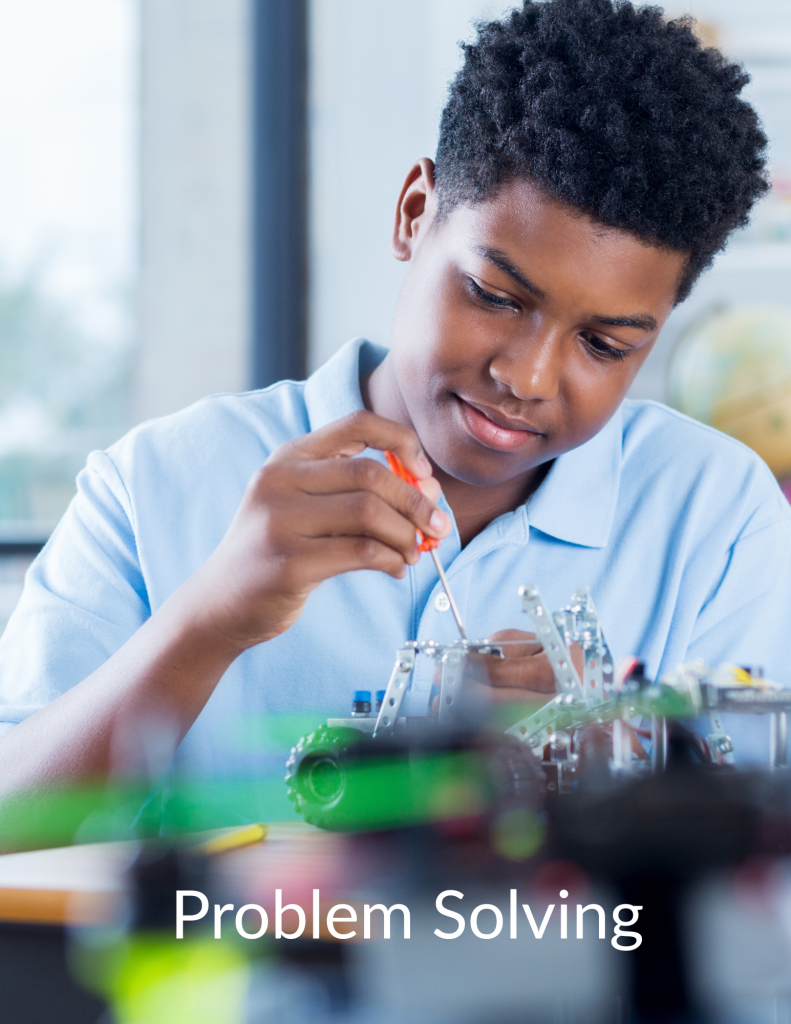
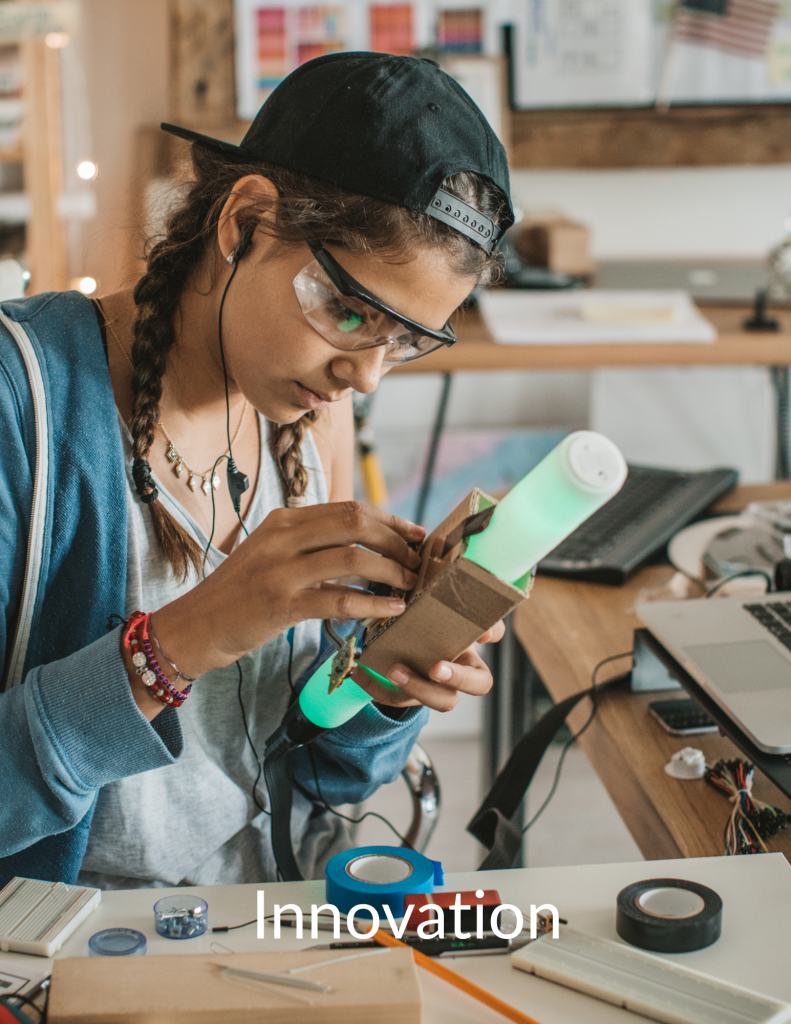
DesignQuest is a hands-on STEAM curriculum for schools that gives students opportunities to explore ideas, solve problems, create, collaborate, and design solutions to real-world challenges.
Rather than simply learning about concepts, students are invited to use what they know.
DesignQuest brings together Science, Technology, Engineering, Arts, and Mathematics through creative, student-centered design challenges that encourage curiosity, critical thinking, innovation, communication, and problem-solving.
It is learning with a purpose—and an opportunity for students to discover that their ideas can become something real.
What Is DesignQuest?
DesignQuest is a student-centered educational experience built around solutions-based learning, creativity, innovation, and design thinking.
Students are presented with challenges that encourage them to look at problems from different perspectives, generate ideas, experiment with possibilities, and develop their own solutions.
The process can incorporate research, creativity, collaboration, drawing, building, communication, reflection, and presentation.
The result is more than completing an assignment.
Students become designers of ideas, solutions, and possibilities.
A STEAM Curriculum Designed to Engage the Whole Student
Traditional STEM learning can sometimes focus primarily on technical concepts. DesignQuest expands the experience by intentionally incorporating the Arts as part of the creative problem-solving process.
Students can use imagination and creativity alongside science, technology, engineering, and mathematics.
Science
Students investigate questions, explore how things work, and apply scientific thinking to challenges.
Technology
Students consider how technology can be used as a tool for creating, communicating, researching, and developing solutions.
Engineering
Students practice designing, testing, revising, and improving ideas.
Arts
Students use creativity, visual thinking, storytelling, design, and self-expression to develop and communicate their ideas.
Mathematics
Students encounter opportunities to use measurement, patterns, data, logic, spatial thinking, and quantitative reasoning in meaningful contexts.
STEAM becomes more than five separate subjects. It becomes a way of thinking.


Student Innovation Through Design Challenges
At the heart of DesignQuest are student-led design challenges.
Instead of giving every student the same answer to find, DesignQuest creates opportunities for students to think about questions such as:
What could be different?
What could work better?
What problem could we solve?
What could we create?
What would happen if we tried another way?
Students can brainstorm possibilities, sketch ideas, explore solutions, test their thinking, make changes, and communicate what they have developed.
This process helps students experience innovation as something they can participate in—not simply something they read about.
Hands-On STEAM Learning
DesignQuest is designed to move learning beyond worksheets and lectures.
Students can be encouraged to:
- Explore
- Question
- Imagine
- Research
- Draw
- Design
- Build
- Test
- Collaborate
- Revise
- Reflect
- Present
These experiences can help students connect classroom learning with problems, ideas, and possibilities beyond the classroom.
Building Creativity and Problem-Solving Skills
Today’s students will encounter problems that may not have a single correct answer.
DesignQuest gives students opportunities to practice the kinds of thinking involved when there isn’t an obvious solution.
Students can develop experience with:
Creative thinking — generating original possibilities and looking at challenges from new perspectives.
Critical thinking — examining information, questioning assumptions, and considering different solutions.
Problem-solving — identifying challenges and developing potential ways forward.
Collaboration — sharing ideas, listening to others, and working together.
Communication — explaining ideas and communicating solutions.
Resilience — learning that ideas can be tested, changed, improved, and tried again.
Innovation — moving from an idea toward a possible solution.